From Waste to Resource: M&AOSB Empowers Communities Through Sustainable Composting
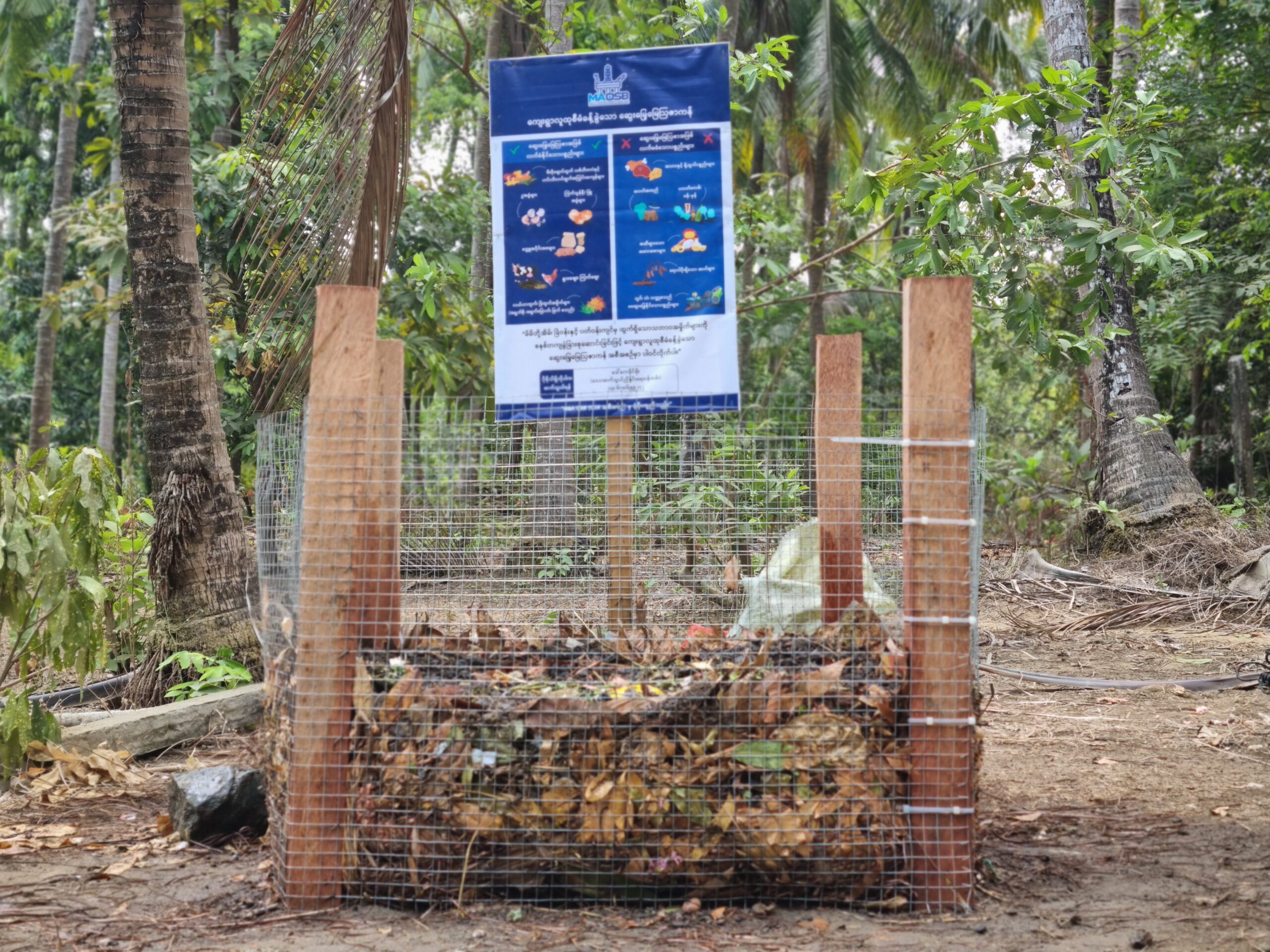
At M&AOSB, sustainability is more than a commitment — it is a shared responsibility that begins within the communities where the company operates. In line with this vision, M&AOSB’s CSR Program launched the “Community-Managed Compost Station Pilot Project” in Nanttharpu Village Tract in March 2026, marking an important step toward promoting environmentally responsible waste management and stronger community participation.
The initiative was designed to encourage sustainable management of organic waste while fostering long-term behavioral change in household waste separation practices. By combining environmental education, hands-on demonstrations and active community involvement, the project aims to empower villagers to turn everyday organic waste into a valuable local resource.
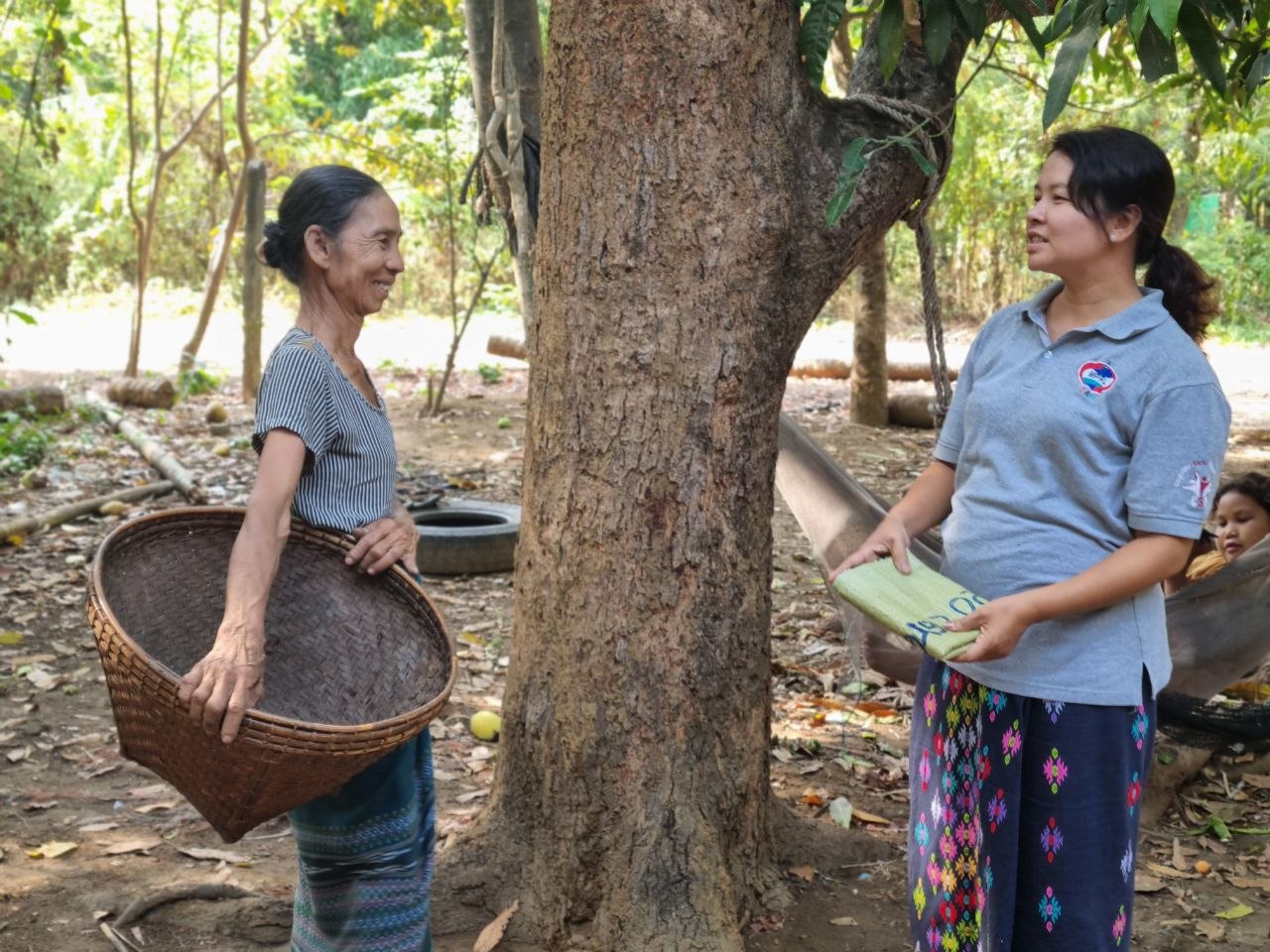
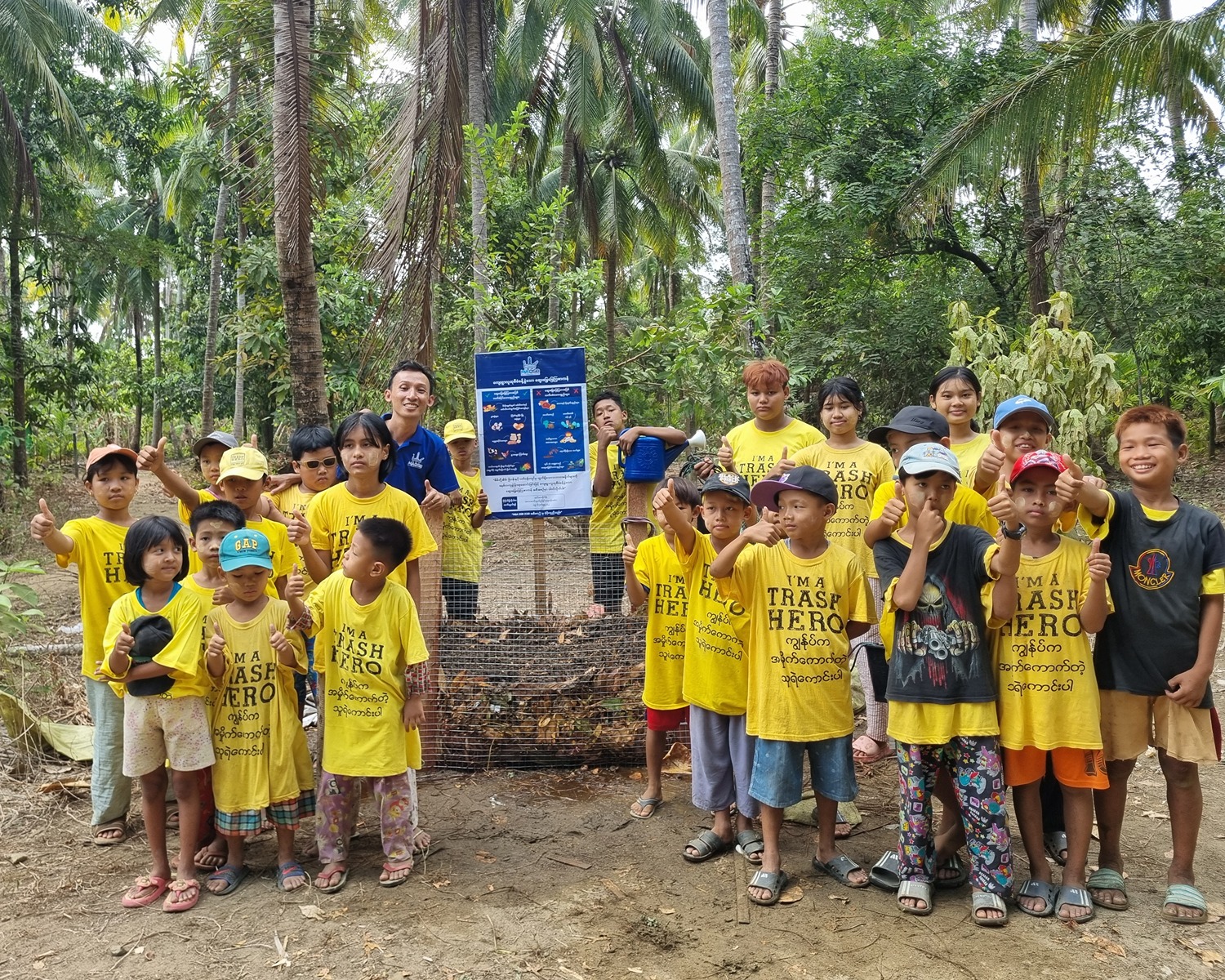
The first phase of the project was implemented on 26 March 2026 with the support of members from Trash Hero Gaw Yan Gyi. Together with the village community, the CSR Team carried out a series of awareness and preparation activities, including selecting participating households, conducting community discussions, distributing reusable waste collection bags and providing practical guidance on compostable materials.
Through these engagements, villagers learned that many common household and agricultural waste materials — such as fruit and vegetable scraps, eggshells, onion and garlic peels, leaves, grass, paper scraps and animal manure — can be transformed into nutrient-rich compost instead of being discarded or burned.
Beyond reducing waste, composting offers multiple environmental and social benefits. It helps improve soil health and water retention, reduces methane emissions caused by the anaerobic decomposition of organic waste in landfills, lowers dependency on chemical fertilizers and promotes a cleaner living environment. Most importantly, the project encourages collective responsibility and cooperation among community members.
Naw May Pale Htoo, CSR Officer of M&AOSB, said the project was inspired by the successful implementation of a similar initiative by MPRL E&P, a sister company of M&AOSB, in Mann Field.
“Since July 2025, MPRL E&P’s CSR Program has been implementing the Community-Managed Compost Station Pilot Project in Mann Field Communities,” she said. “Inspired by the positive progress there, M&AOSB has now introduced the project in its own operational area as well.”
She added that composting initiatives can be adapted to different regions depending on the types of locally available organic waste materials.
“As M&AOSB’s project area is a coastal region, coconut shells and coconut leaves are naturally abundant here,” she said. “By observing this pilot project model, local residents can also create small-scale compost pits at their own homes using recyclable organic waste generated from their households. In doing so, they can manage waste more effectively, contribute to a cleaner environment and, at the same time, produce natural fertilizer for agricultural purposes. This can help reduce the cost of purchasing compost and support more sustainable crop cultivation.”
To prepare for the official composting activities, M&AOSB’s CSR Team and Trash Hero volunteers conducted door-to-door awareness campaigns ahead of the project launch. Residents were encouraged to begin collecting compostable waste materials at home in advance of the live demonstration scheduled for April.
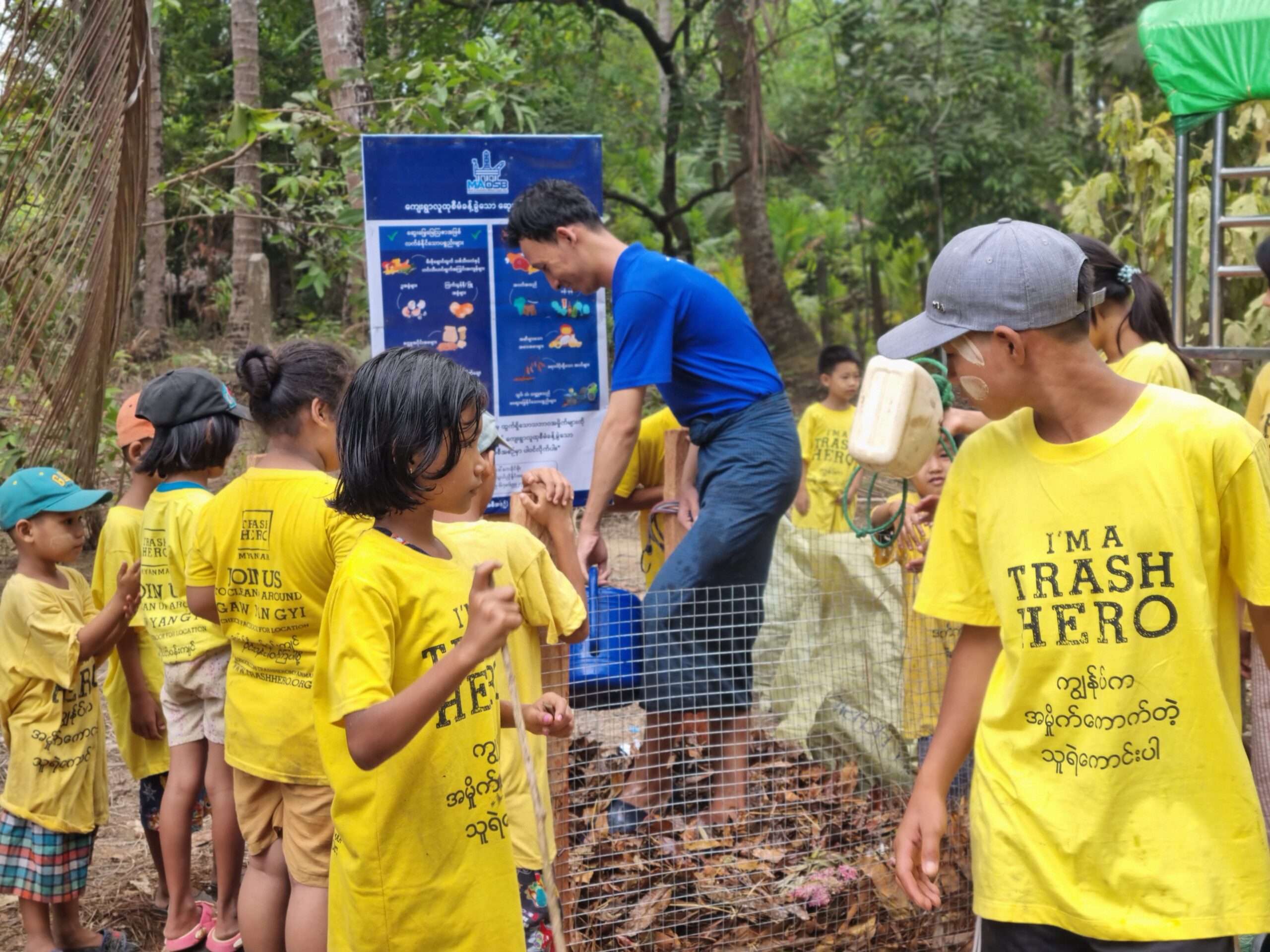
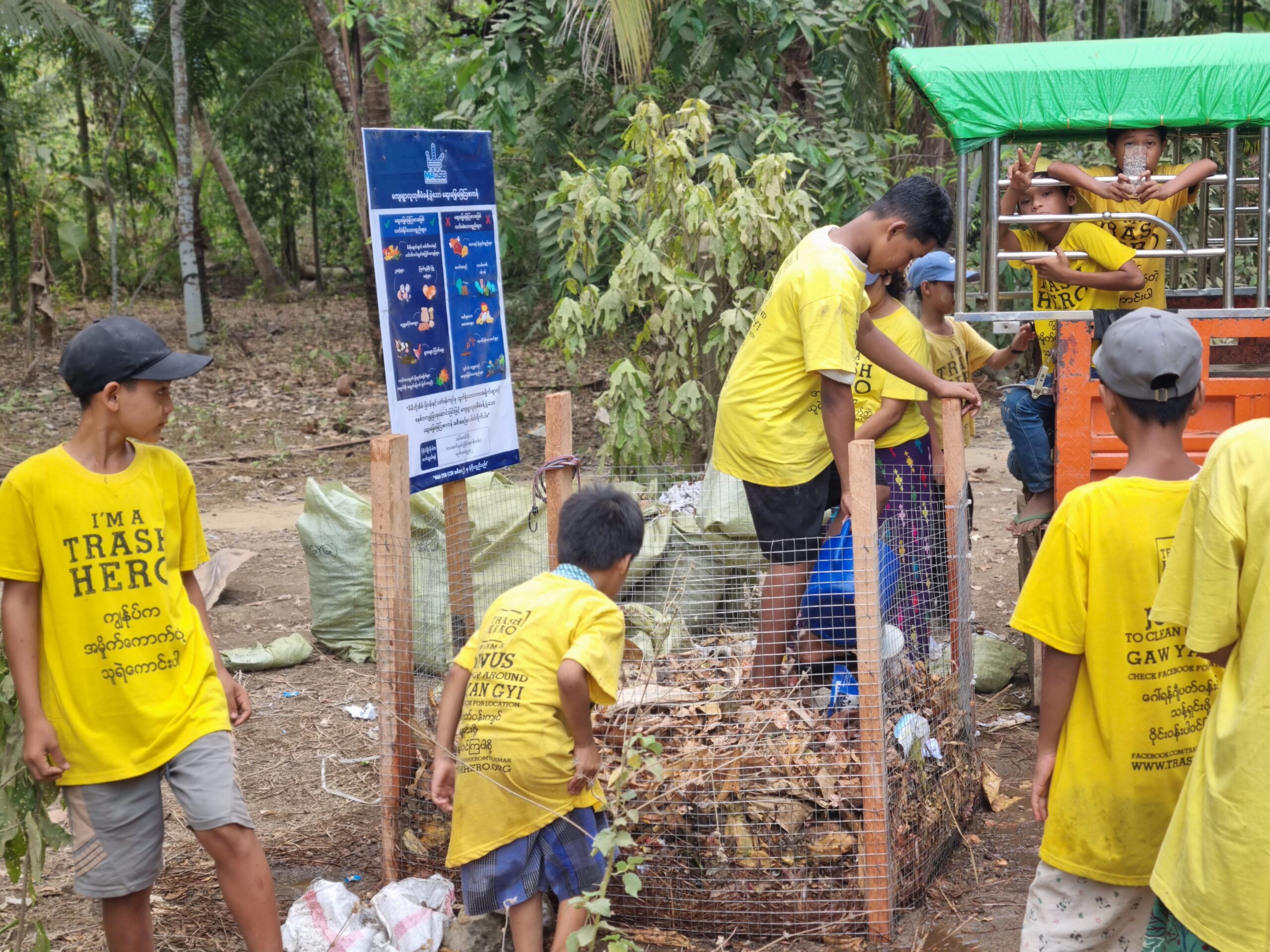
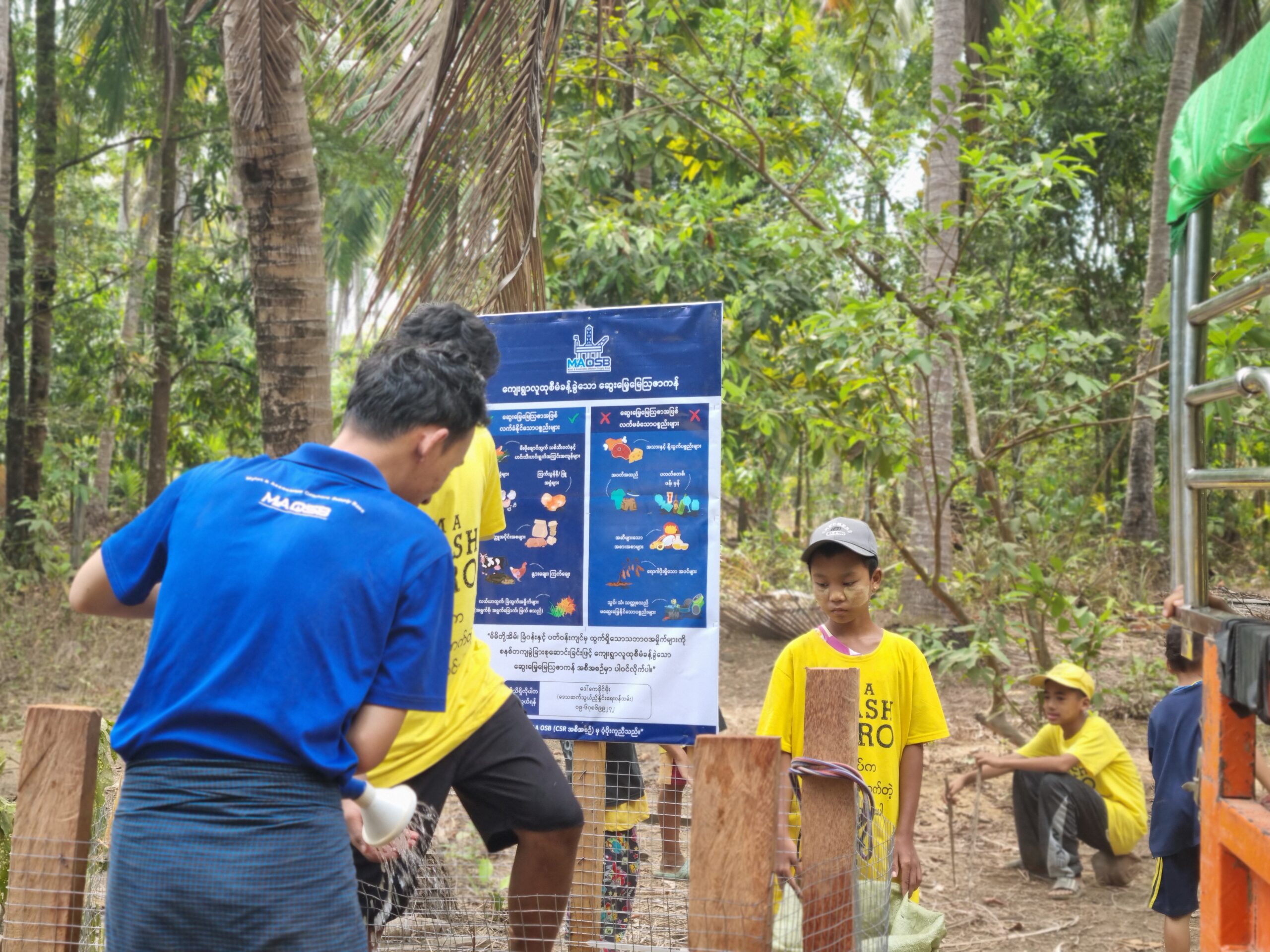
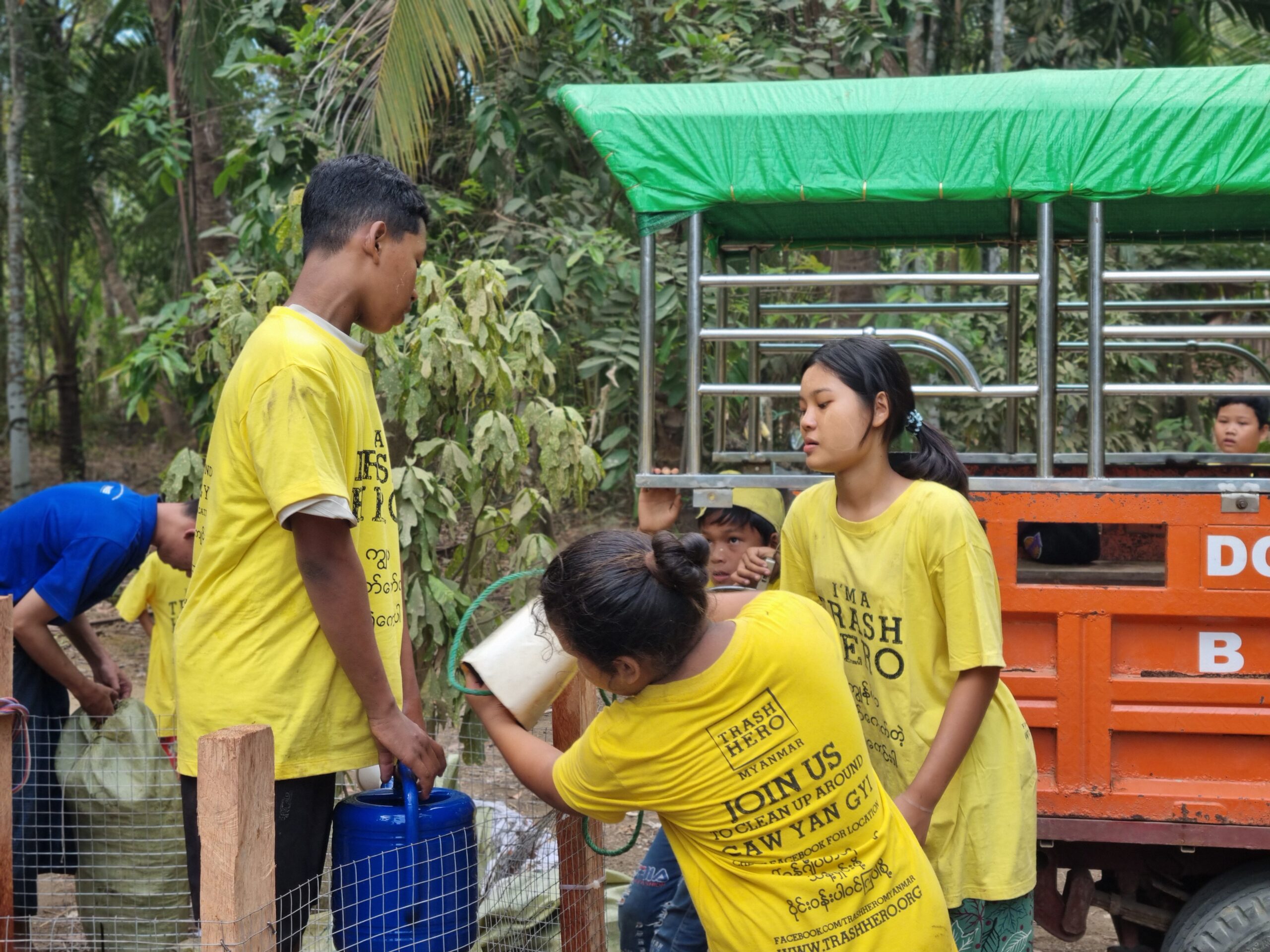
On 26 April 2026, the CSR Team organized a practical composting demonstration at Zin Yaw Chaung Ward in Nanttharpu Village Tract. A total of 28 participants, including children and adults, attended the activity with enthusiasm and curiosity. During the session, participants were guided step-by-step through the compost-making process, including waste separation methods, layering techniques, moisture management and compost pile maintenance.
Working alongside Trash Hero Gaw Yan Gyi members, the CSR Team also demonstrated how to construct compost pit and properly arrange “brown” carbon-rich materials and “green” nitrogen-rich materials to support natural decomposition. The demonstration created a hands-on learning experience that encouraged villagers to participate actively and confidently.
As part of the pilot initiative, additional door-to-door awareness activities were conducted for 10 households in Zin Yaw Chaung Ward on 29 April 2026 to further strengthen community engagement and understanding of the project.
By May 2026, early signs of progress were already visible. Several households had begun bringing kitchen waste and other compostable materials to the community compost station, reflecting growing awareness and participation among residents.
While still in its early stages, the Community-Managed Compost Station Pilot Project demonstrates how small, community-led actions can contribute to meaningful environmental change. Through collaboration, education and local participation, M&AOSB continues to support practical sustainability initiatives that create long-term value for both communities and the environment.